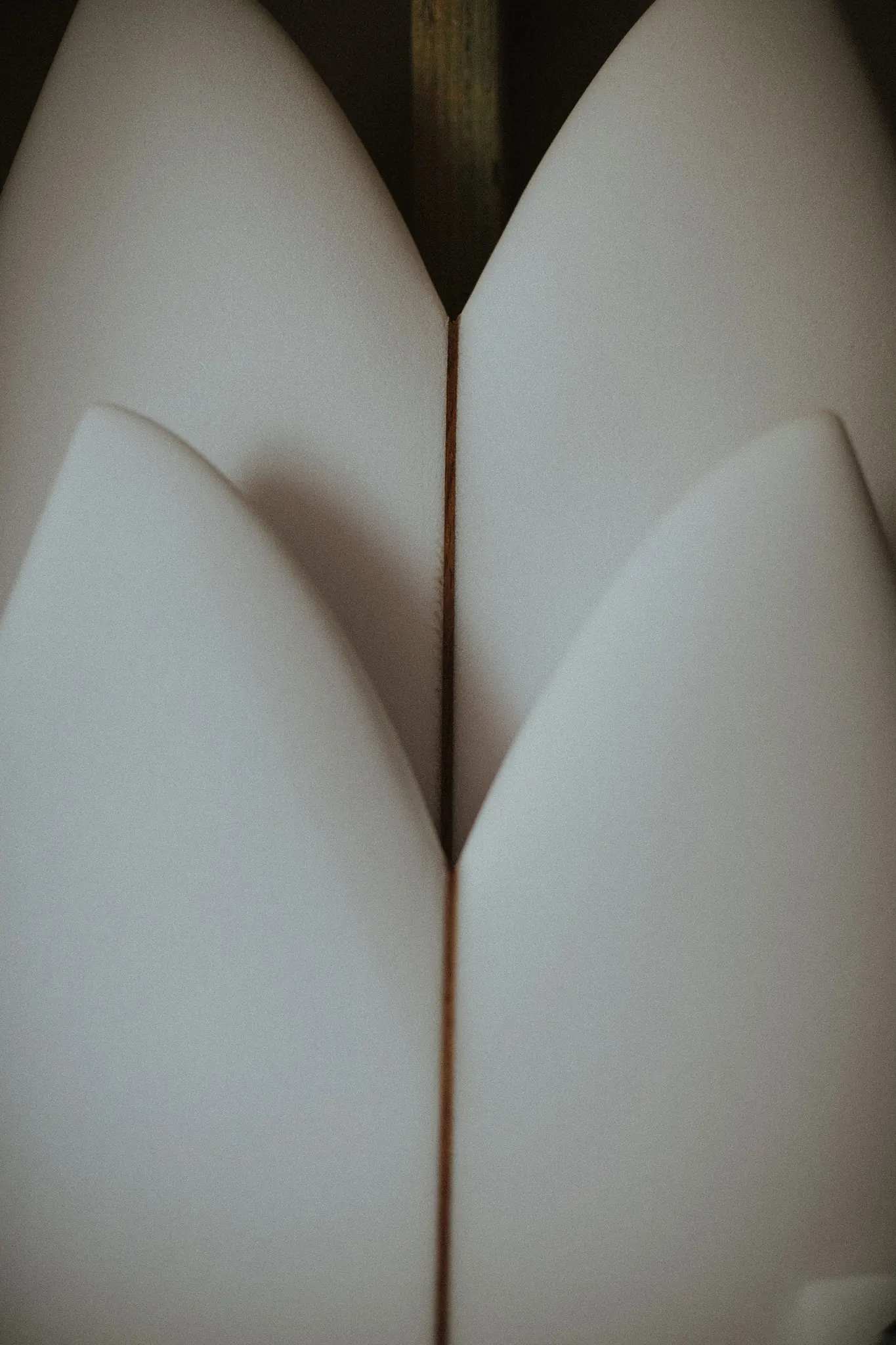
Sunset Cliffs: the conditions that shaped the board
In the early 1960s, kneeboarder and shaper Steve Lis experimented with paipos around Sunset Cliffs in southern San Diego. In 1967, he cut down a longboard blank and built a foam board with a split tail and two large fins: the foundation of the polyurethane fish.
Early examples were often under five feet. Kneeriding concentrated plenty of planing area beneath the rider, while the twin points and two fins provided control without giving away speed.
Why a fish creates speed so easily
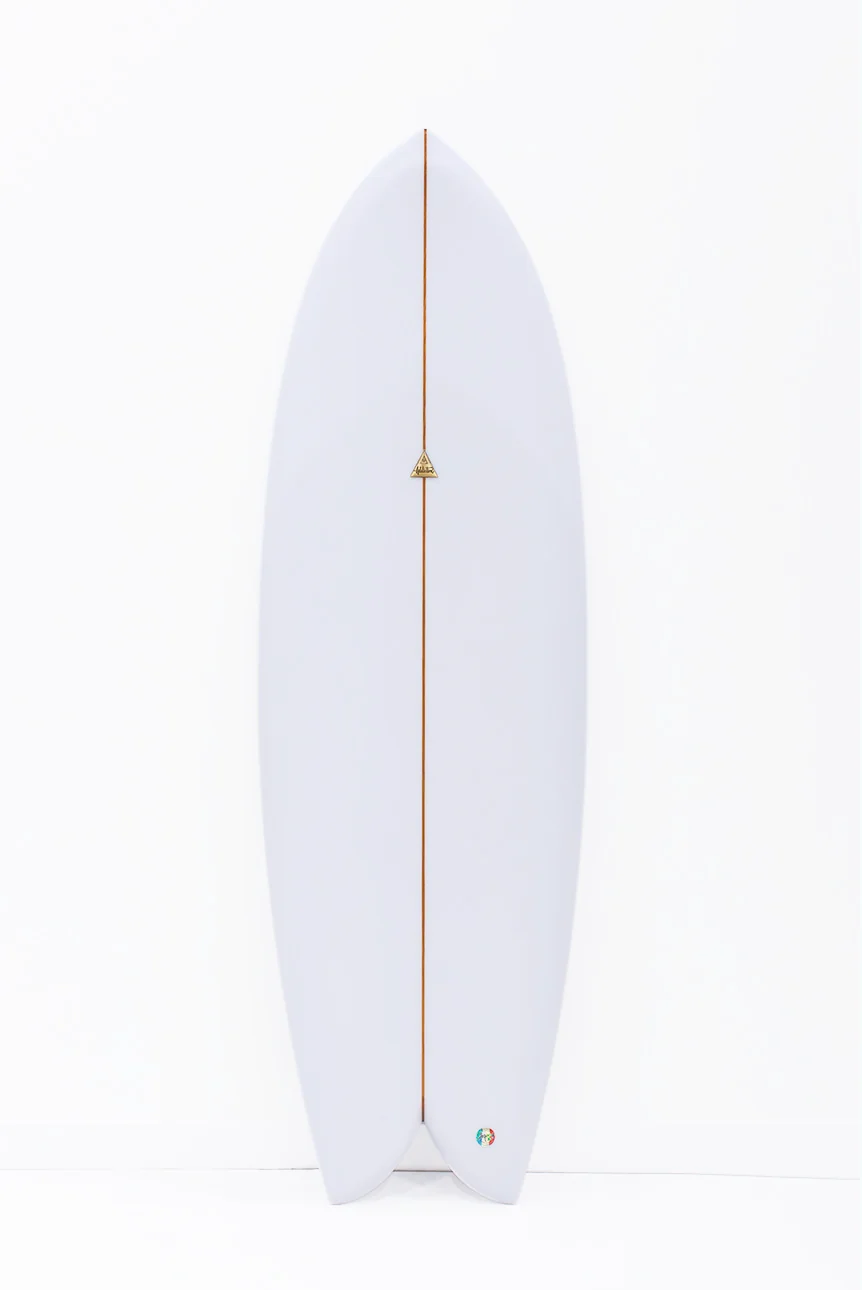
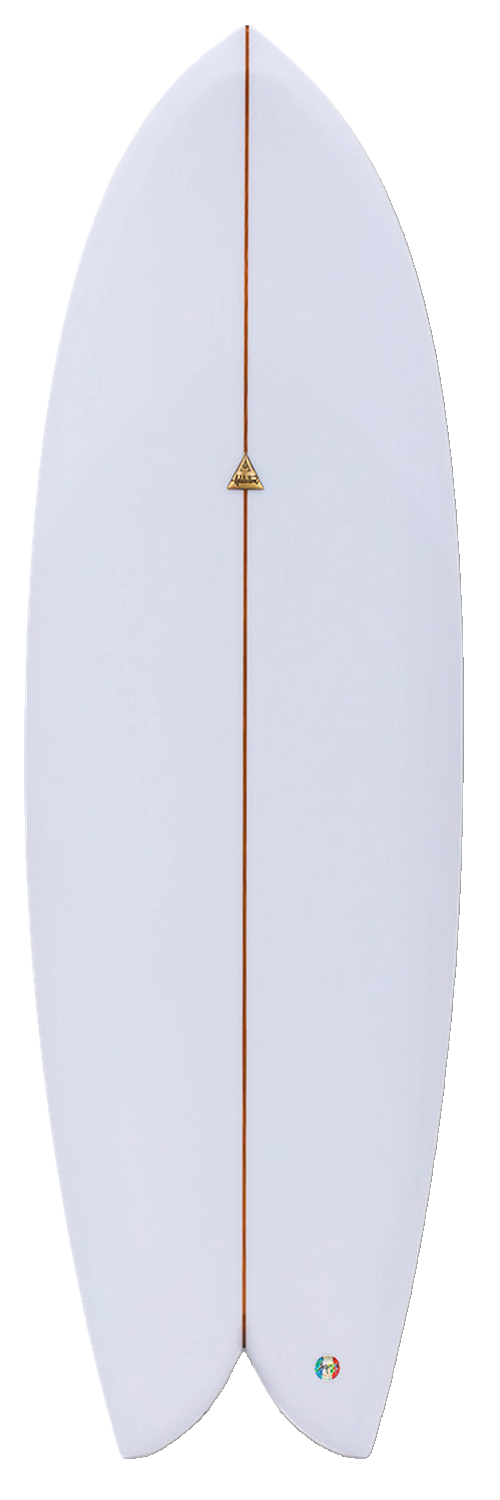
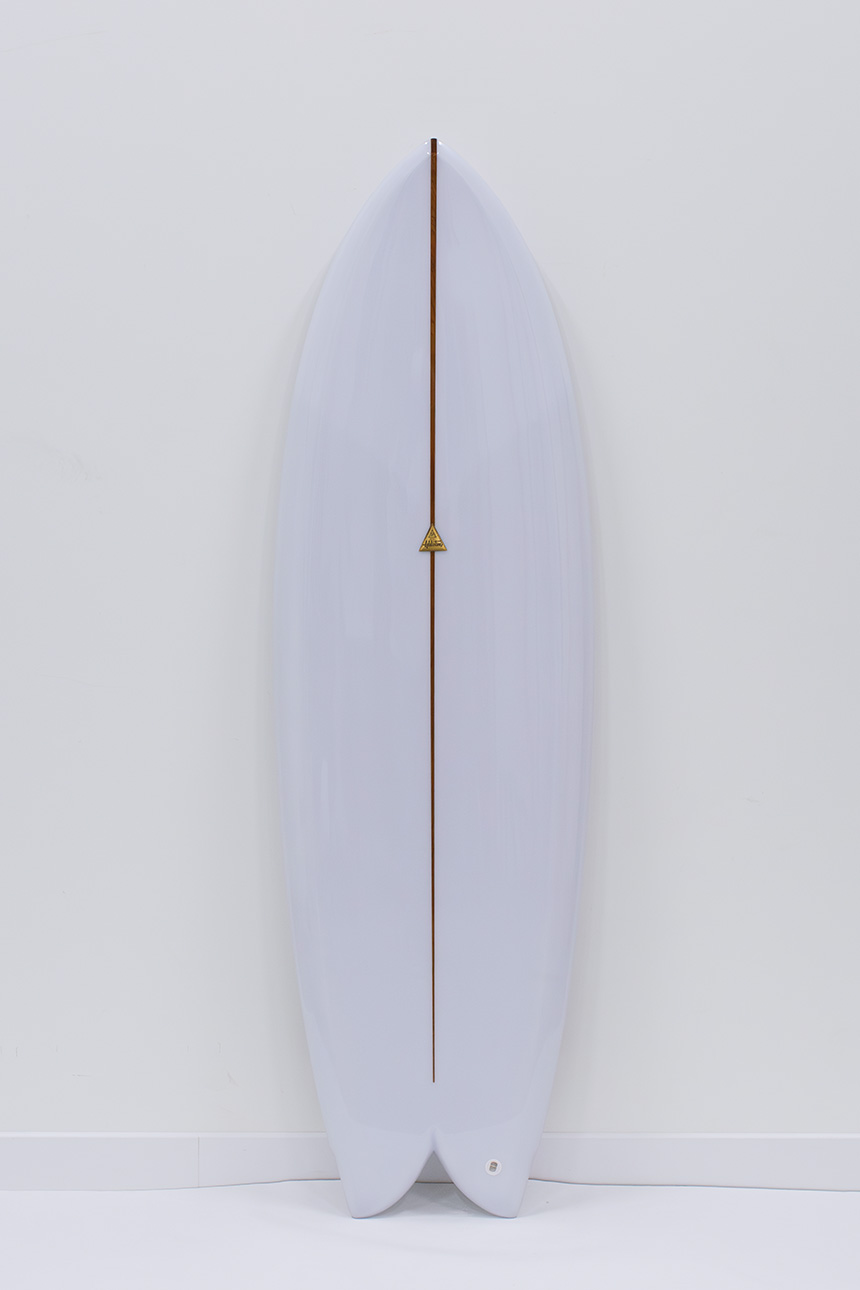
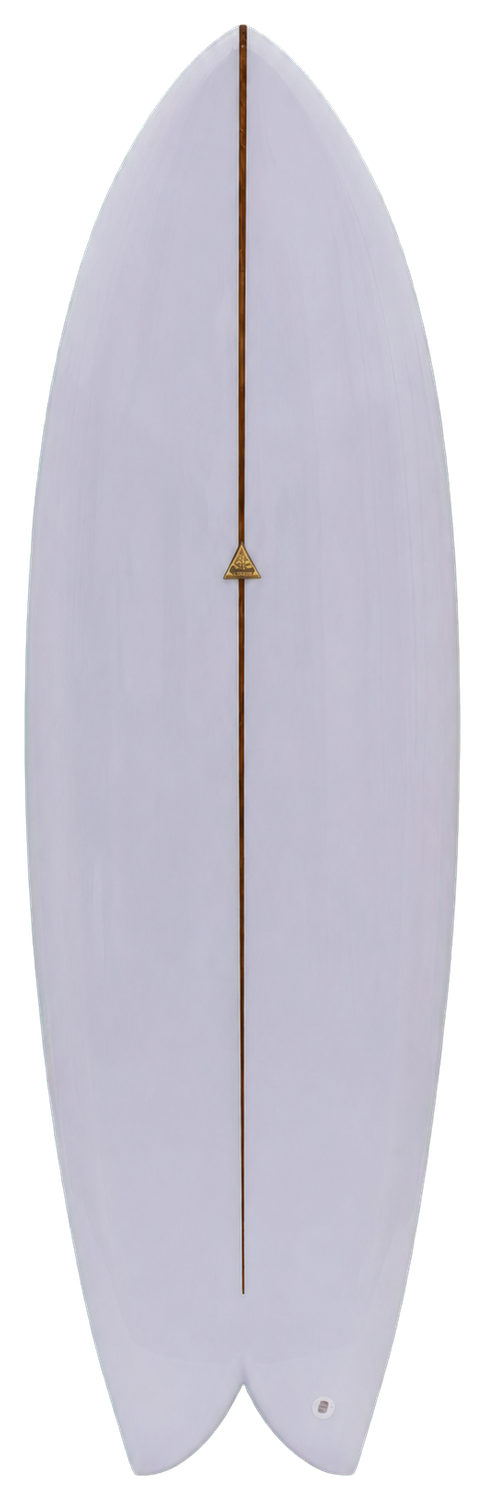
A classic fish combines low rocker, a wide outline, reduced length and twin keel fins. The flatter curve presents more surface to the water and preserves momentum. Width helps early entry, while the keels turn that surface into lateral support.
The design is not a fixed recipe. Swallow depth, fin position, rail foil and foam distribution decide whether a board runs freely or resists being placed on rail.
From a local scene to a worldwide family
Jeff Ching was among the early surfers to stand on boards originally conceived for kneeboarding. David Nuuhiwa and Mike Tabeling were among the better-known riders who later gave the fish visibility beyond its San Diego setting.
Its spread proved the strength of the idea. As boards shortened, the fish offered a path other than the narrow shortboard: it retained area, made speed easier to access and encouraged longer, more horizontal lines.
What the original fish still teaches
Riding a fish today is not an exercise in recreating 1967. The principle remains useful in less powerful surf, quick sections and for surfers who want speed with less pumping. Rider build, ability and local waves should still decide length and volume.
A twin keel normally favours glide and open arcs. A quad fish introduces more points of hold and accepts greater pressure near the pocket. Those sensations depend on the complete shape, not fin count alone.
Two Addiction readings of the fish
At Addiction, the B52 twin keel is directed towards free speed, trim and broad turns. The B54 quad fish retains a generous platform with more support as the wave gains power or the line tightens.
Neither is presented as a replica of a historical board. They translate an enduring idea — concentrating speed into less length — for current surfers, materials and waves.
Sources consulted
Verify the story and go further.
- The Fish That Ate the WorldSurfline
- A Tale of Two San Diego SurfboardsSurfline
- The History of Surfboard Design: FishSurf Simply
History gives useful reference points. Your board must then answer your waves, build and desired feel.
Discuss my project