Twin fins existed before Mark Richards
Bob Simmons explored two-fin configurations in the late 1940s. The Mirandon brothers’ Twin-Pin and Steve Lis’s fish later developed different versions of the principle. Twin-fin history therefore has several branches rather than one inventor.
That context matters: Richards’s boards did not appear in isolation. They combined earlier influences, learned shaping knowledge and a highly personal way of surfing.
Narrabeen, 1976: Reno Abellira’s demonstration
Richards traces the spark to the 1976 Coke 2SM Surfabout at Narrabeen. He watched Reno Abellira ride a short, round-nosed twin that looked quick and mobile in small waves. It suddenly expanded what a stand-up twin could do.
Back in Newcastle, Richards shaped the Bumblebee. The aim moved beyond the fish’s free-running speed towards a platform that could project and turn under the pressure of competitive surfing.
Chun’s Reef and learning with Dick Brewer
During the 1976-77 Hawaiian winter, Richards worked with Dick Brewer at Chun’s Reef on Oahu’s North Shore. That period refined his understanding of rocker, foil and curves suited to greater power.
In Newcastle in 1977, he shaped his first Free Ride Twinfin. Its fuller outline and two fins offered speed, manoeuvrability and projection that matched Richards’s build and unmistakable line.
1978-1982: proof in competition
Richards began using his twins on tour in 1978 and won four consecutive world titles from 1979 to 1982. Those results do not prove one setup is best everywhere; they show what happens when design, rider and chosen lines make sense together.
The run fixed the twin fin in surfing’s imagination: fast, expressive and able to pivot without surrendering momentum. It also explains why contemporary shapers keep returning to the format.
Which Addiction twin fin to consider
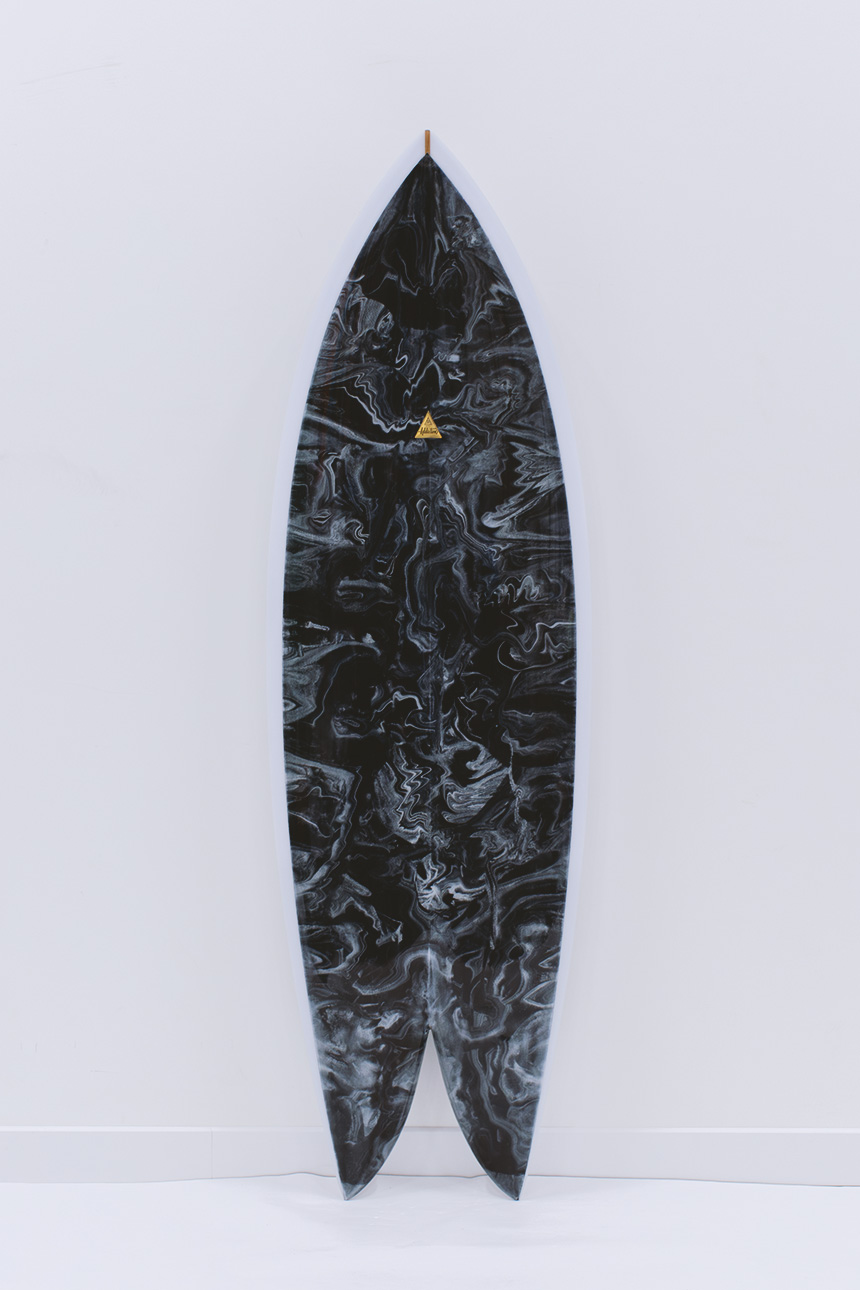
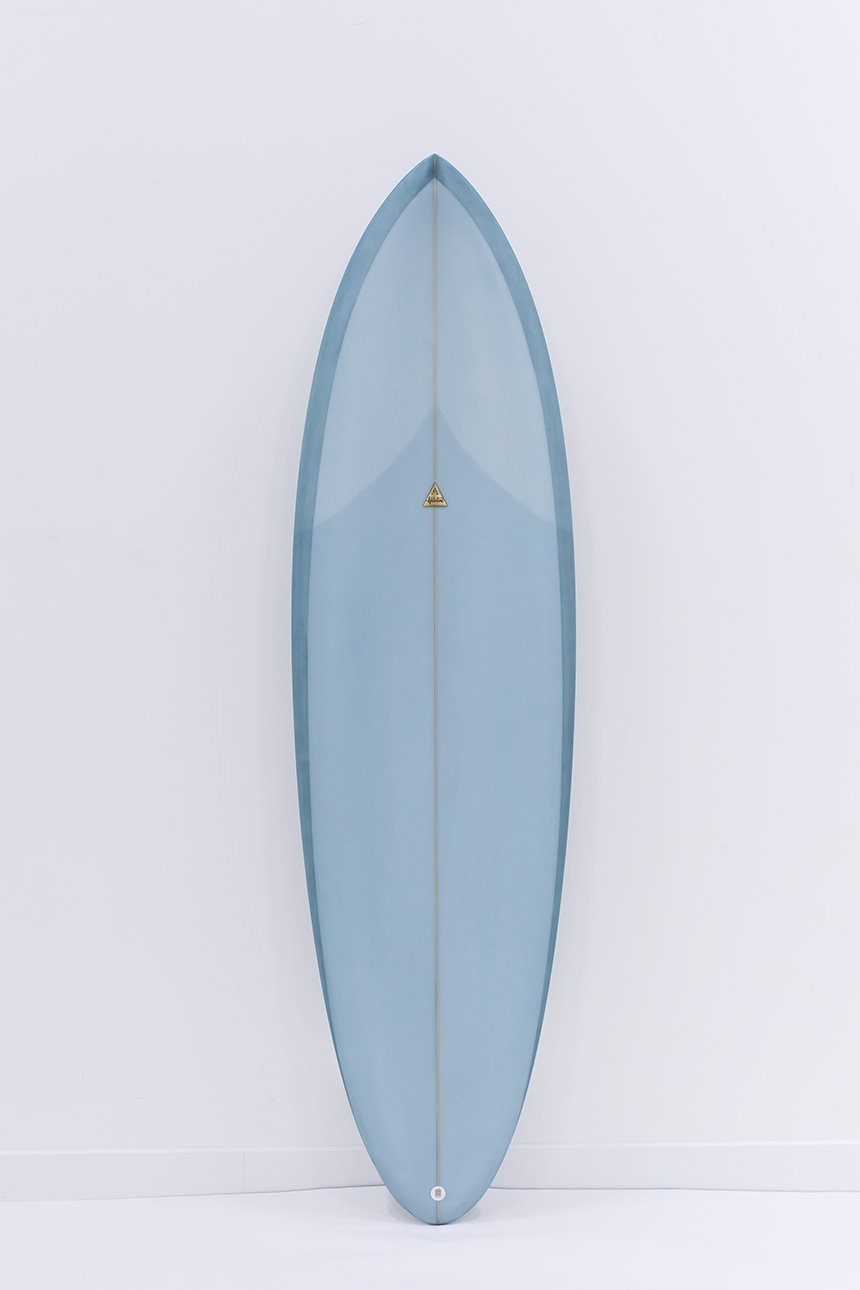
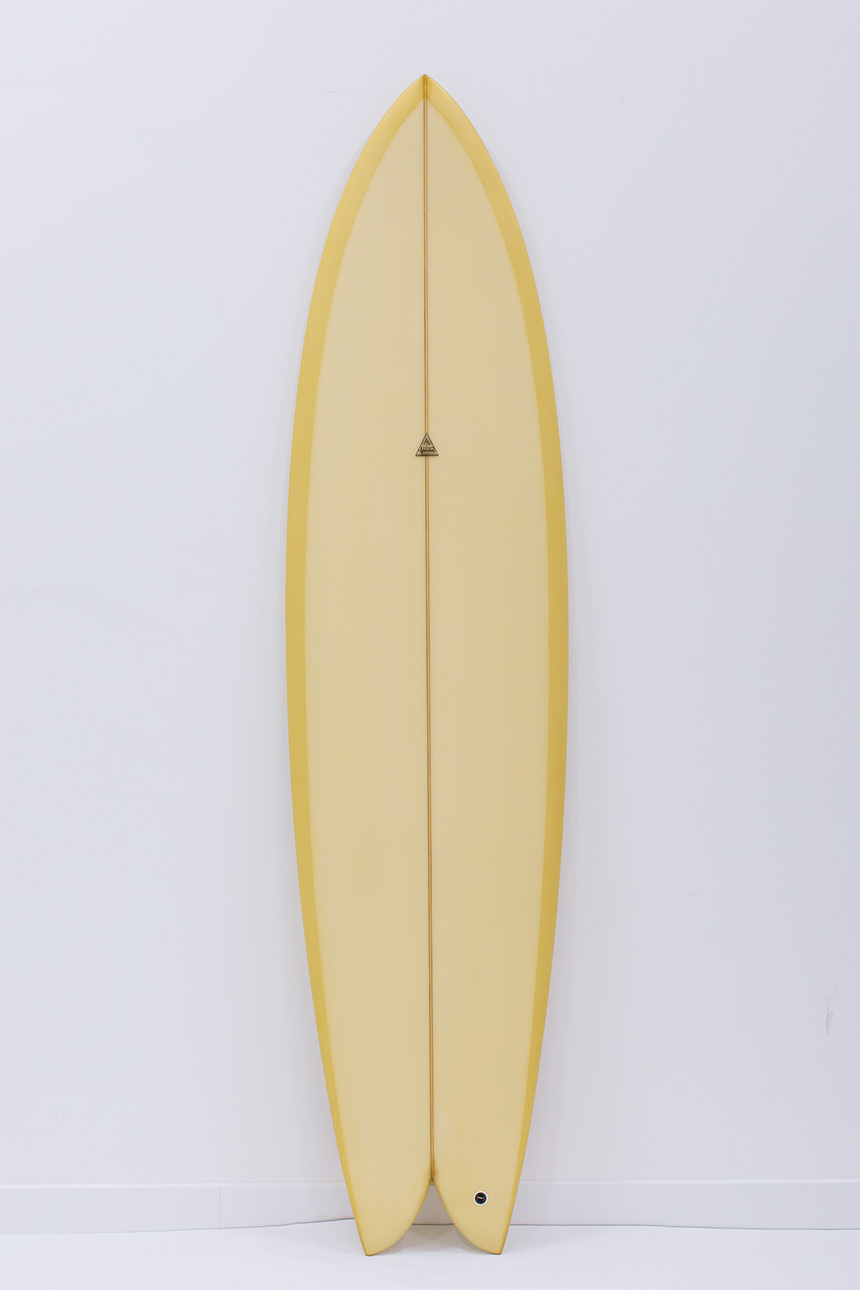
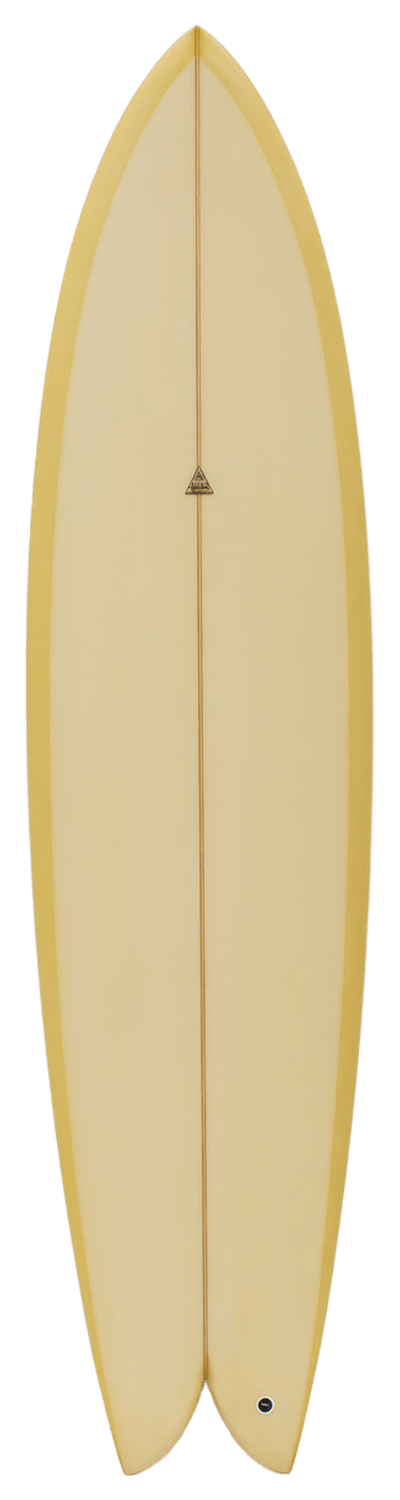
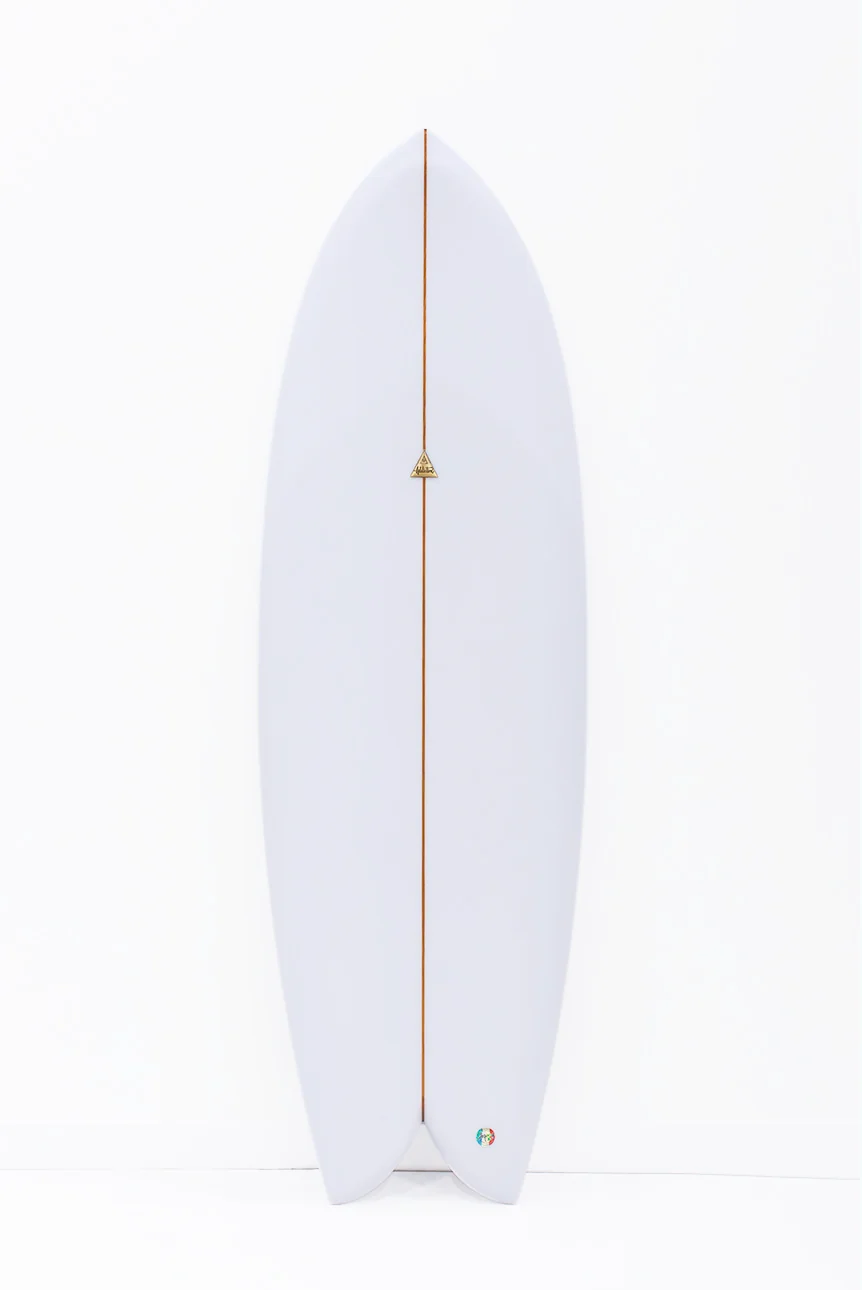
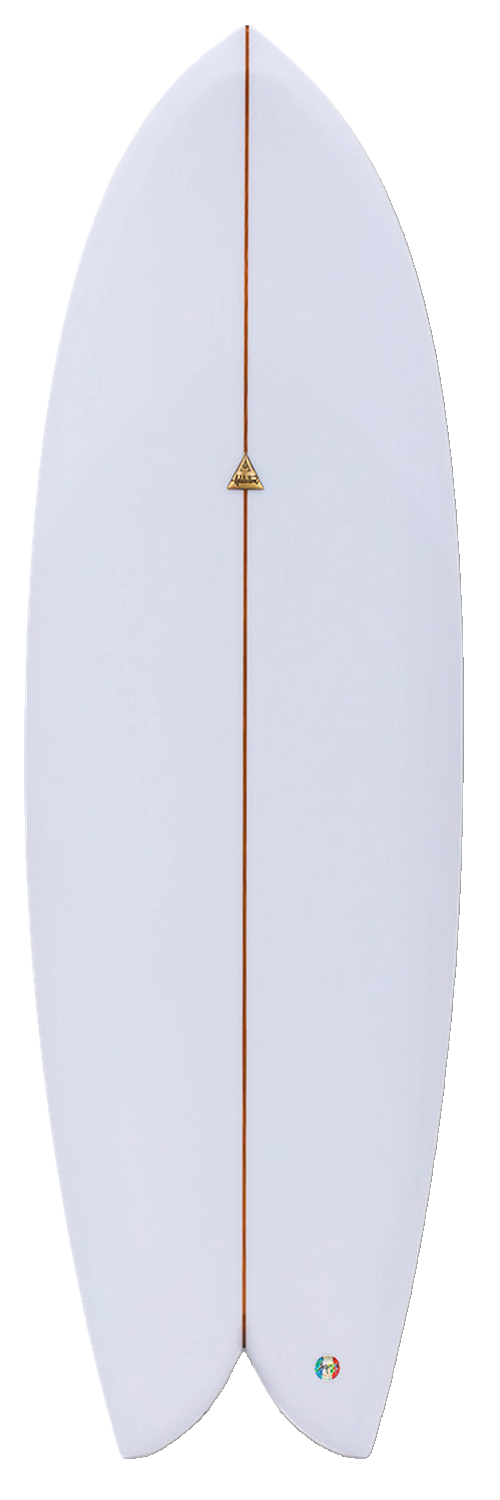
The Split Tongue offers a modern, playful twin-fin reading. The Clincher targets more precision, while the Thrive broadens the range. For a twin-keel feel closer to trim, use the B52 as another reference.
The right choice depends less on historical prestige than on your waves: regular size, power, natural pace and the way you apply pressure.
Sources consulted
Verify the story and go further.
- Where it all beganMark Richards Surfboards
- The Twin-Fin DesignThe Surfer's Journal
- MR voted Australian surfing's greatestABC Australia
History gives useful reference points. Your board must then answer your waves, build and desired feel.
Discuss my project