The Transition Era: shorter without abandoning glide
In the mid-1960s, surfboards changed quickly. Large logs became shorter and more responsive. George Greenough’s kneeboards and fin experiments directly influenced Australian surfers and shapers including Nat Young and Bob McTavish.
The period did not immediately create a category called the mid-length. It created a workshop of ideas: less length, more curve beneath the board, and rails and fins capable of setting a new line.
San Diego, 1966: Magic Sam and Nat Young
Nat Young won the 1966 World Championship in San Diego on Magic Sam, a board shorter and lighter than the dominant longboards. Its Greenough-influenced fin and ability to turn drew attention.
The result became a Transition Era landmark. It is not the whole mid-length story, but it publicly showed that reduced length could preserve speed while releasing changes of direction.
Bob McTavish and the Plastic Machine
In 1967, Bob McTavish developed the Plastic Machine and early vee bottoms. Foam, bottom shape and rocker were reorganised to make rail-to-rail movement easier. Boards shortened again and performance moved towards the turn.
The extremes of that shortening race later created demand for new compromises. Today’s mid-length inherits the same question: how much length should remain for paddling and glide, and how much can be removed for manoeuvrability?
Skip Frye, the Egg and the San Diego–Malibu branches
Skip Frye dates his first Egg to the late 1960s, probably 1969, at roughly 7’6”, while shaping for Gordon & Smith in San Diego. The rounded outline distributed area without the broad nose of a noserider or the narrowness of a shortboard.
The Surfer’s Journal identifies a San Diego branch around Frye and Tony Staples, and another associated with Malibu through Greg Liddle and Tim Bowler. Frye and Staples also developed the G&S Modern Machine in 1974. Those lines help explain why mid-length covers different sensations.
Choosing an Addiction interpretation
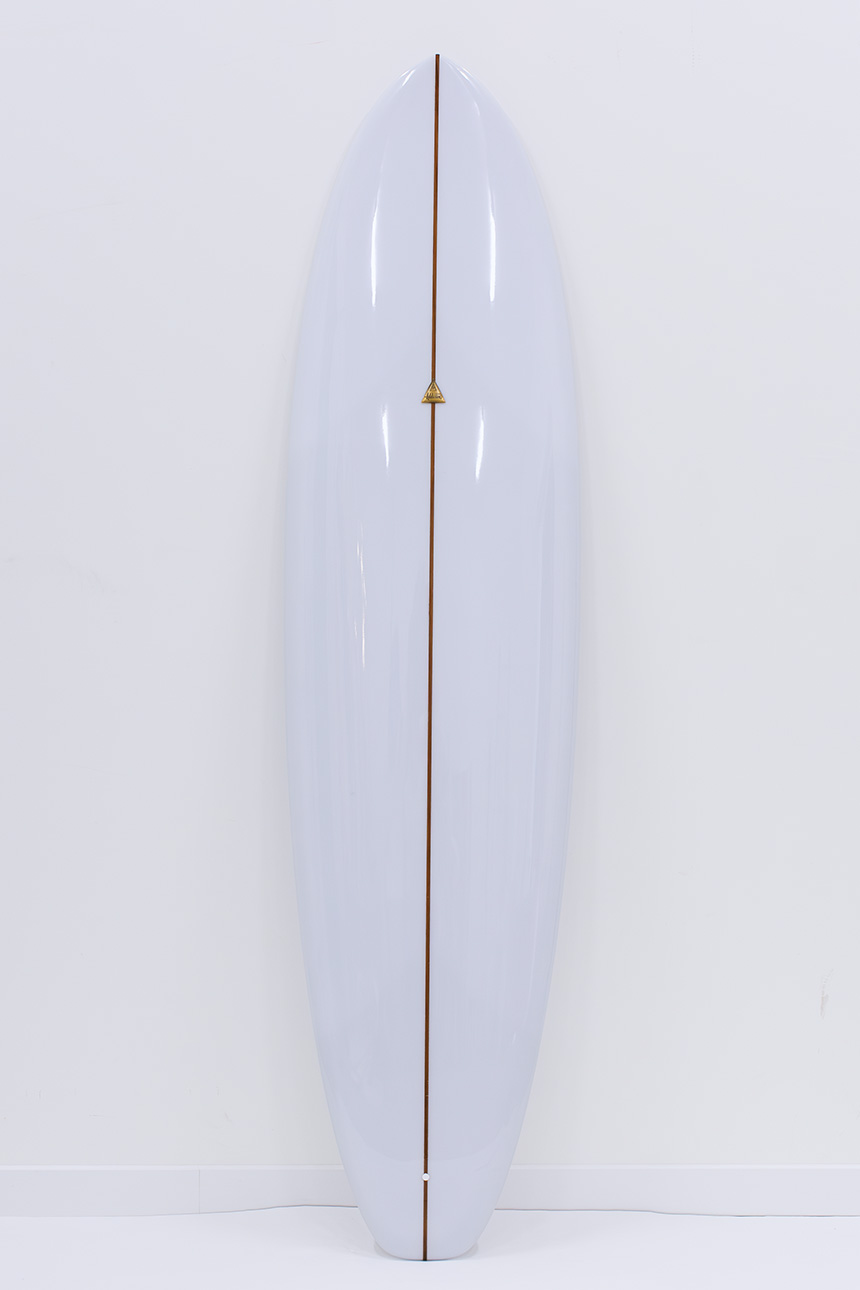
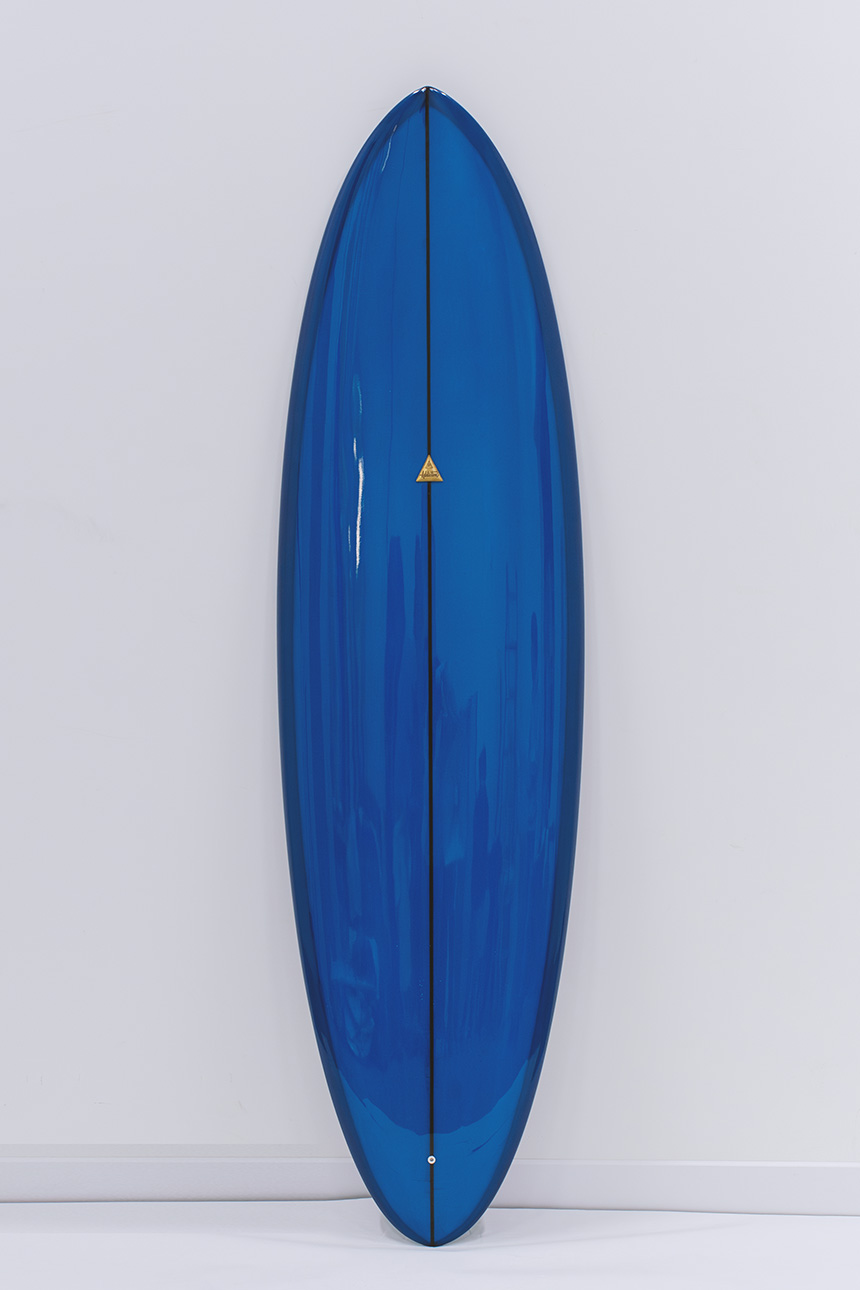
The Sage favours fluid glide and a composed reading of the wave. The Payday carries a livelier intention, while the Thrive bridges planing support and manoeuvrability.
Look beyond length when choosing: rocker, nose and tail width, rails, foam and fin setup decide whether a board is driven through trim, rail turns or closer to the pocket.
Sources consulted
Verify the story and go further.
- McTavish HistoryMcTavish Surfboards
- Skip Frye biographySkip Frye Surfboards
- EggheadsThe Surfer's Journal
- Modern Machines: A Brief History of the Mid-Length SurfboardThe Inertia
History gives useful reference points. Your board must then answer your waves, build and desired feel.
Discuss my project