Before the modern longboard: Hawaiian roots
Surfing belonged to Polynesian and Hawaiian history long before the twentieth century. Large wooden boards were not primitive versions of modern shapes; they belonged to their own materials, uses and cultures.
The distinction matters historically. Duke Kahanamoku did not invent surfing. He became one of its most visible ambassadors when Olympic swimming gave him a worldwide audience.
Duke Kahanamoku, Waikiki and international reach
Raised near Waikiki, Duke rode long koa boards among other craft. As an Olympic champion, he presented surfing through travel and demonstrations, including the American Atlantic coast, Australia and New Zealand in 1914, and Southern California.
His role was that of a major carrier of the practice. He connected Waikiki, standing glide and a generous way of sharing surfing in the international imagination without replacing the Hawaiian generations before him.
David Nuuhiwa: from the South Shore to nose precision
David Nuuhiwa grew up on Oahu’s South Shore and surfed Queens and Ala Moana. Influenced by Donald Takayama before moving to California as a teenager, his control, positioning and long nose sequences made him central to 1960s longboard style.
Bing’s David Nuuhiwa Noseriding Model, designed through Donald Takayama and Bing Copeland with Nuuhiwa’s feedback, used a teardrop nose concave, a deep upright fin and increased tail lift. Each part helped stabilise the board as the rider moved forward.
Ventura, 1965: Tom Morey measures noseriding
In the summer of 1965, Tom Morey staged a professional specialist noseriding event in Ventura. Time on the front of the board was measured and prize money was offered. Morey did not invent noseriding; he helped turn it into an explicit performance measure.
That specialisation influenced design. Nose width and concave, tail rocker, rails and fin were balanced to generate lift and control without reducing the board to a static object.
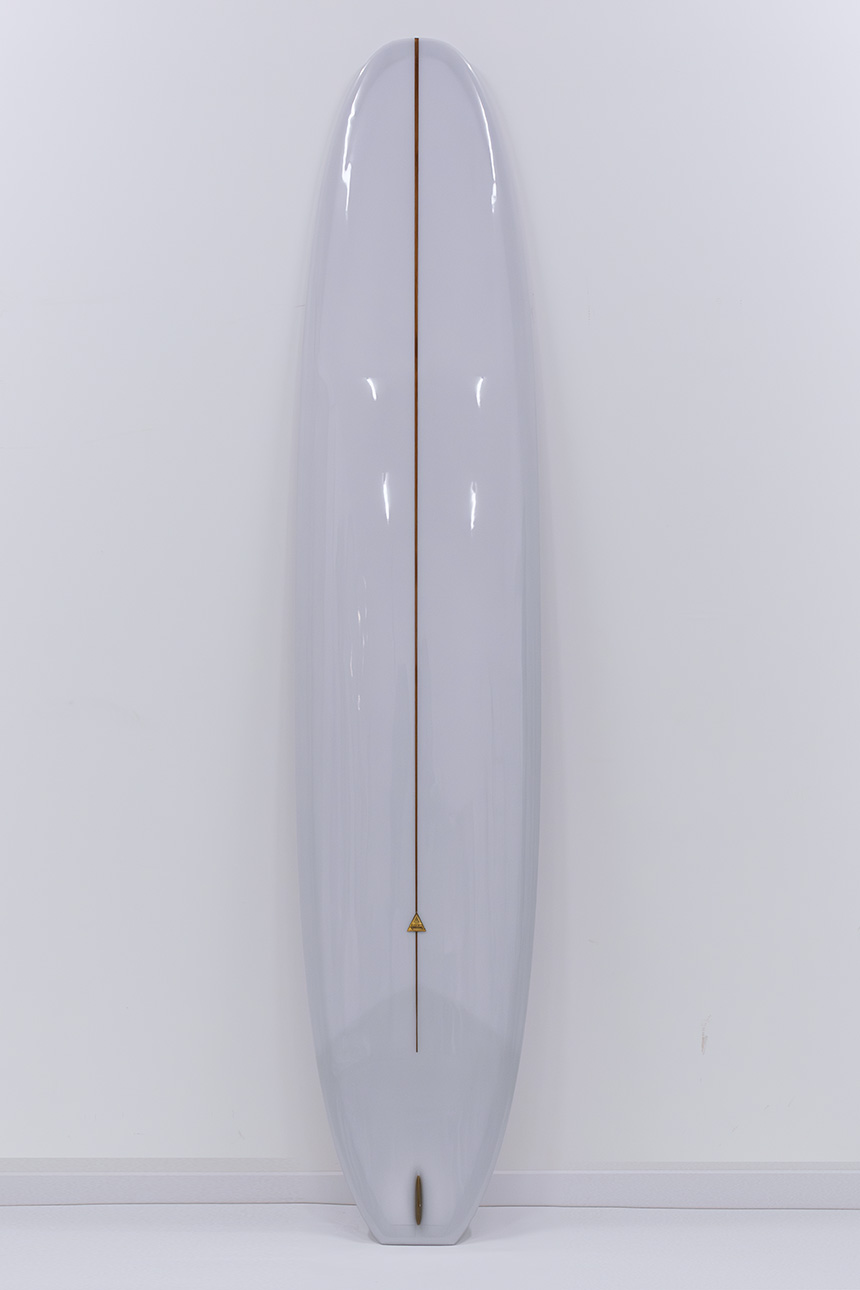
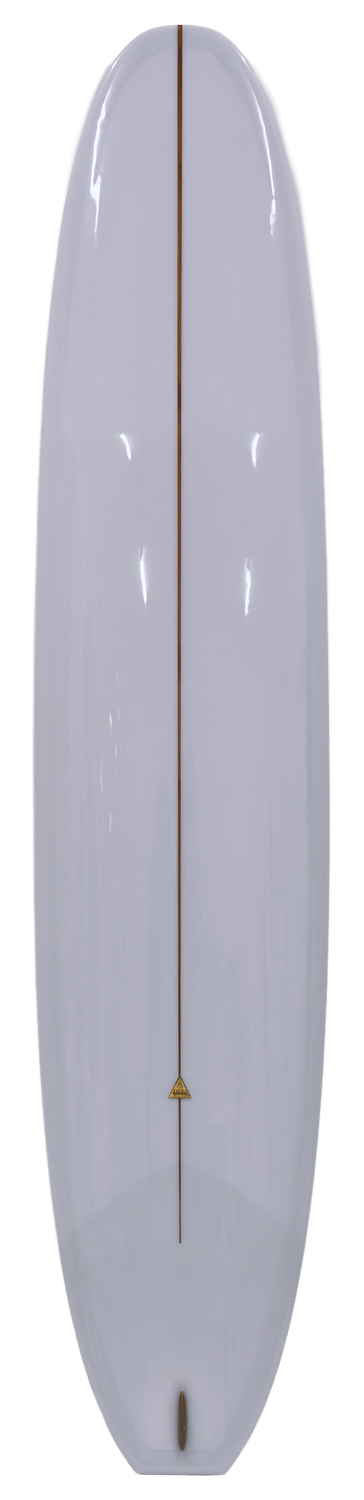
Three Addiction longboards, three intentions
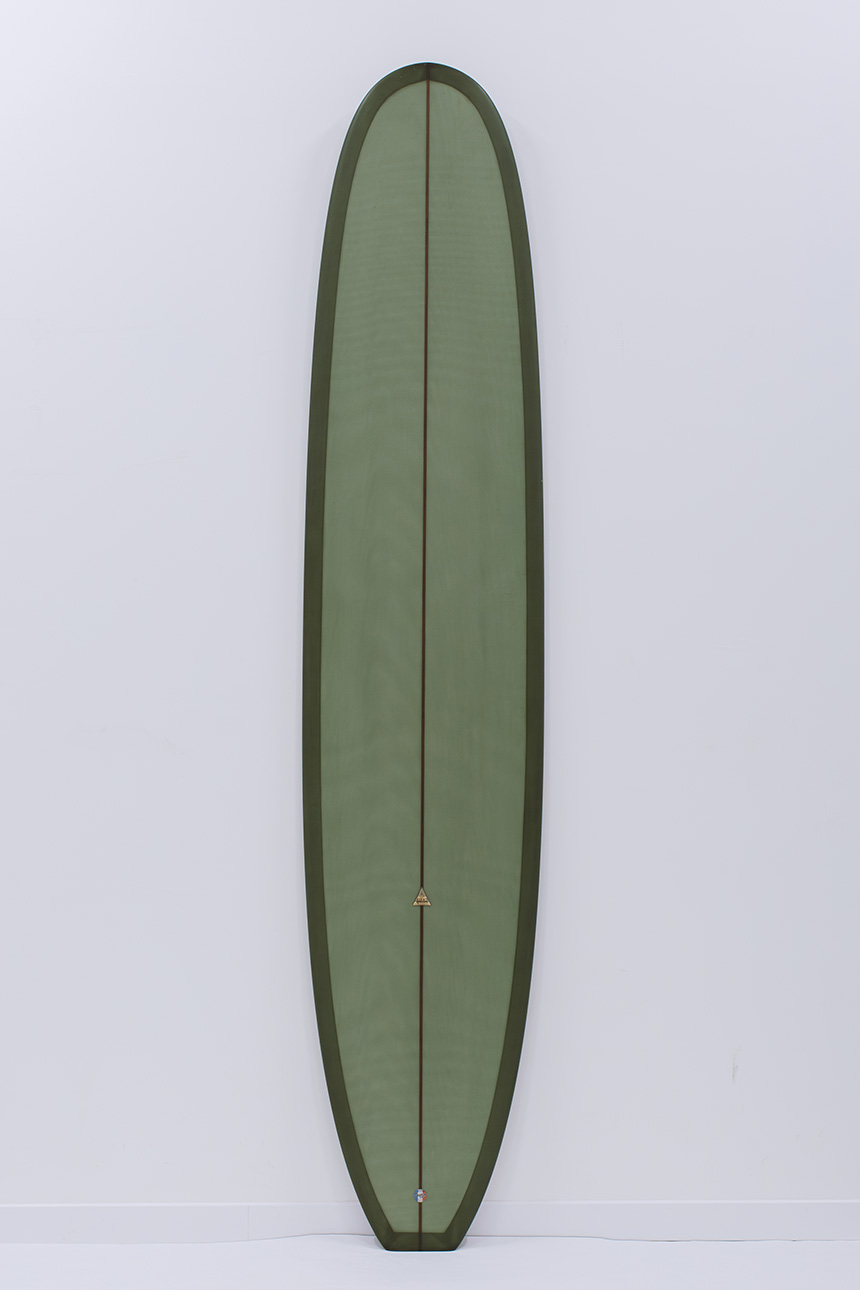
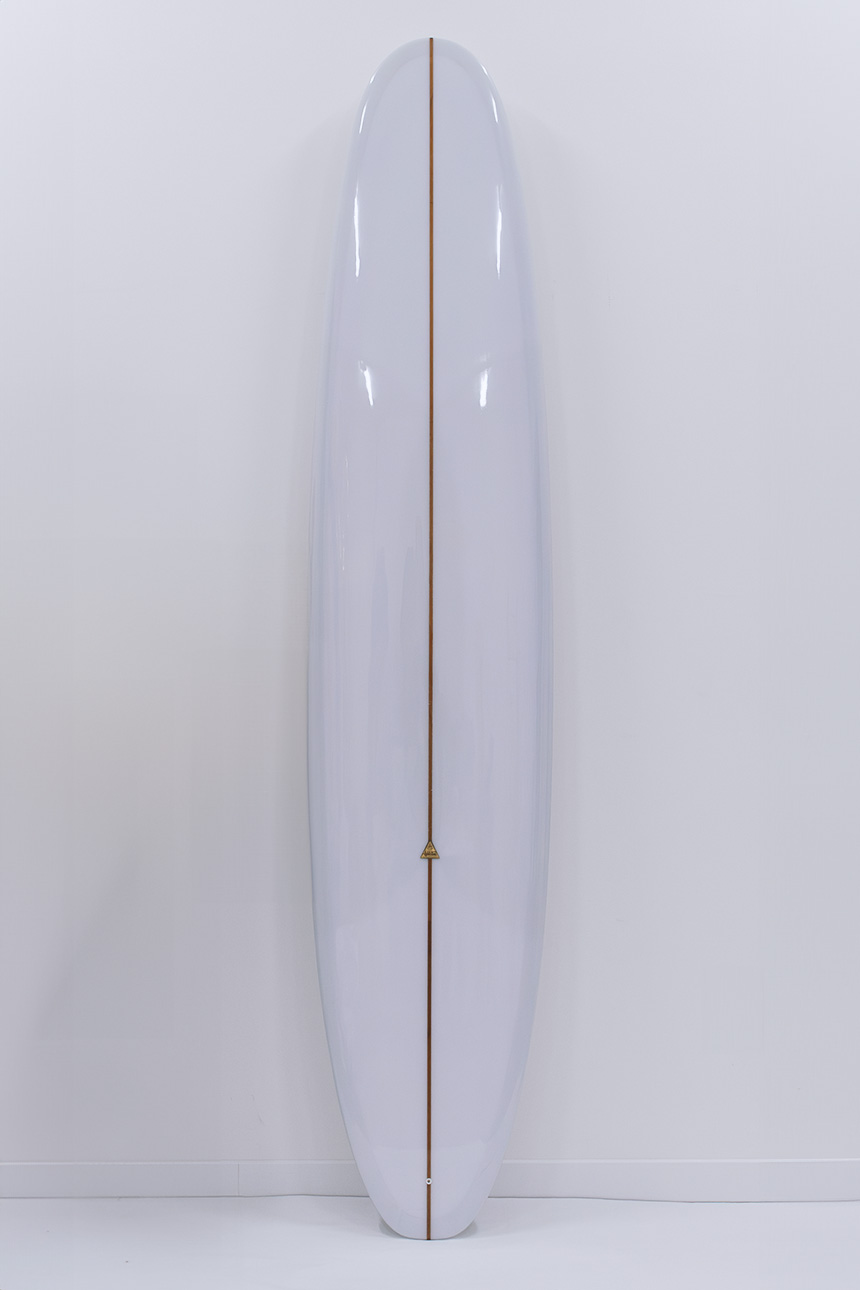
The Dark Key targets a classic register and precise positioning. The Smooth favours a fluid, accessible ride. The Double Trouble opens a different and more released longboard reading.
A useful choice begins with the waves: slope, wall length, frequency of soft sections and available space. Rider weight, ability to move on the board and desired feel then guide the dimensions.
Sources consulted
Verify the story and go further.
- The Duke Kahanamoku StoryDuke Kahanamoku
- David Nuuhiwa: VirtuosoThe Surfer's Journal
- The Inventions of Tom MoreyThe Surfer's Journal
History gives useful reference points. Your board must then answer your waves, build and desired feel.
Discuss my project